What Makes Laser Gum Disease Treatment Different?
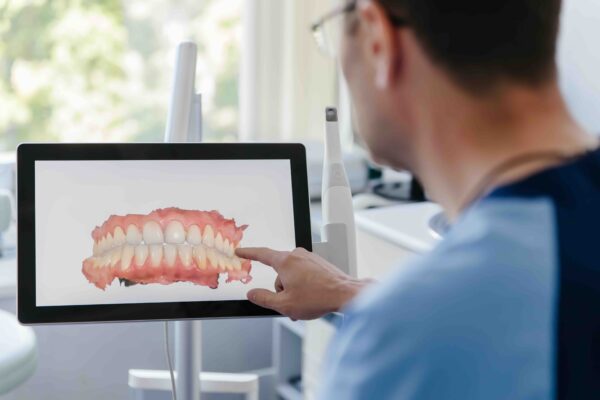
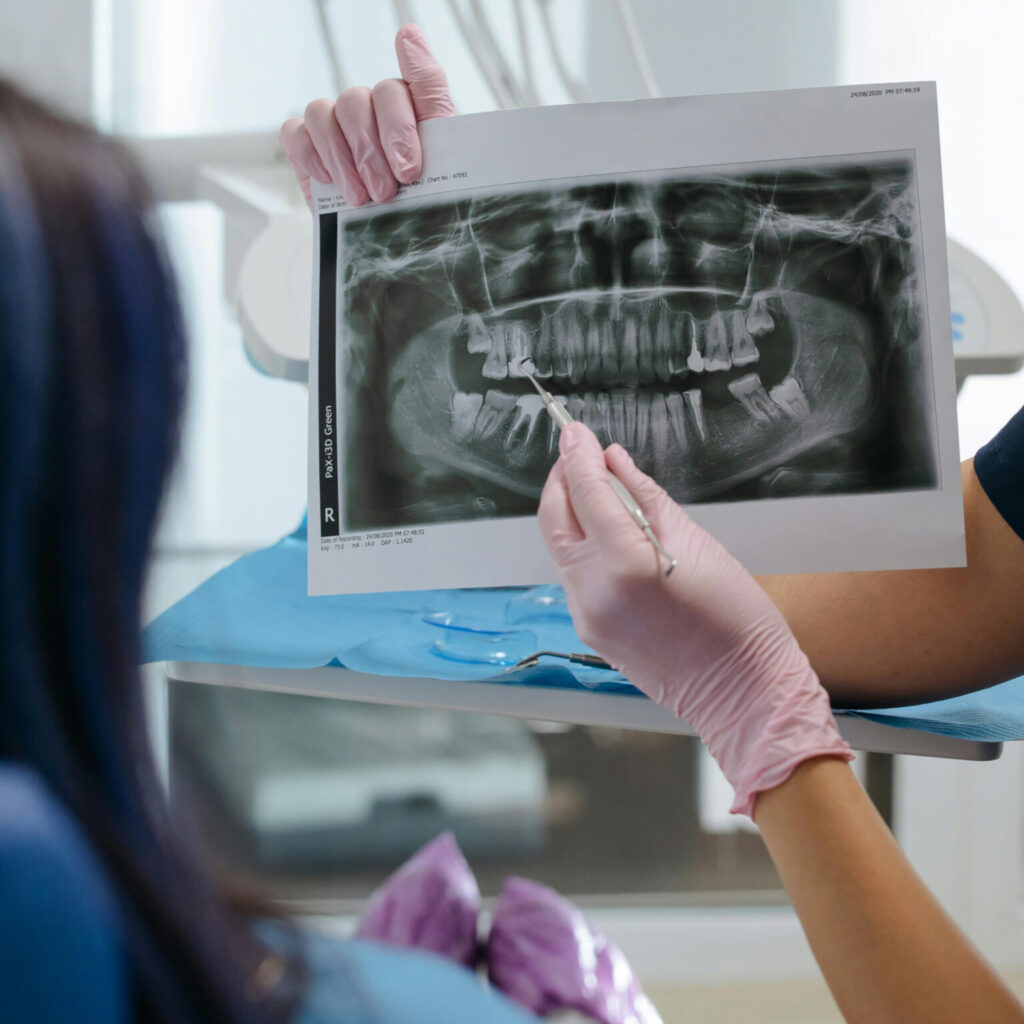
When people hear the phrase laser gum disease treatment, they often imagine a futuristic version of ordinary dental work, the same procedure with a more expensive tool. That is not quite right. The real difference is not that a laser simply replaces a metal instrument. The difference is in how diseased tissue is identified, how bacteria are reduced, how the gum attaches back to the tooth, and how much disruption the procedure causes along the way.
That distinction matters because gum disease is not a surface problem. It is an infection and inflammatory condition that affects the soft tissue and, in more advanced cases, the bone that supports the teeth. Standard care has helped many patients for decades, and in the right case it remains the best option. But laser-based treatment changes the experience and, sometimes, the healing pattern in ways that are meaningful for both patients and clinicians.
The most useful way to understand it is to compare what each method is trying to accomplish. Gum disease treatment is not just about cleaning. It is about controlling infection, reducing pocket depth around the teeth, preserving attachment, and giving the tissue a chance to stabilize. The tool used to get there influences comfort, precision, recovery, and case selection.
The problem laser treatment is trying to solve
Healthy gums fit snugly around teeth. In periodontal disease, that seal loosens. Plaque and tartar accumulate under the gumline, bacteria flourish in the pocket, and the body responds with inflammation. Gums may bleed easily, feel tender, or pull away from the teeth. Some people notice bad breath that does not improve with brushing. Others have almost no pain and are shocked to learn they have significant bone loss.
That last point catches many patients off guard. Gum disease can advance quietly. A person might come in saying, “My teeth feel a little longer,” https://zanderelpy743.scriblorax.com/posts/gum-disease-treatment-and-oral-hygiene-mistakes-to-avoid or “Food keeps getting trapped in this one area,” and the exam reveals pockets of 6 or 7 millimeters with bleeding and mobility. At that stage, the goal is not cosmetic improvement. It is to stop the disease process before more support is lost.
Traditional periodontal therapy usually begins with scaling and root planing, often called deep cleaning. That involves removing tartar and bacterial buildup below the gumline and smoothing root surfaces so the tissue can heal against a cleaner tooth. In more advanced situations, flap surgery may be recommended. The gum is gently reflected back to allow direct access to deep deposits and irregular bone contours.
Laser treatment enters this picture as another way to manage infected tissue and bacterial contamination, sometimes alongside conventional instrumentation, sometimes as an alternative to more invasive surgery.
What the laser is actually doing
A dental laser is not one single thing. Different wavelengths interact with tissue differently. Some are better suited for soft tissue, some for hard tissue, and some for specific periodontal applications. That is why blanket claims about “laser dentistry” can be misleading. The question is not whether a practice owns a laser. The question is what type of laser is being used, for what indication, and by whom.
In gum disease treatment, the laser is typically used to target diseased pocket lining and reduce bacterial load within the periodontal pocket. It can also help create a cleaner environment for healing and, in some protocols, support formation of a stable clot that protects the treated area.
One practical advantage is selectivity. Diseased soft tissue and healthy tissue can respond differently to certain laser settings. In experienced hands, that can allow a clinician to remove infected lining with less mechanical trauma than a scalpel-based approach. There is also a hemostatic effect, meaning the laser can reduce bleeding during the procedure by coagulating small blood vessels as it works. For patients, that often translates into a cleaner field and a less dramatic recovery.
Still, it is not magic. A laser does not vaporize all tartar off roots without conventional skill or judgment. Root surfaces often still need mechanical debridement with hand instruments or ultrasonic tools. The laser is part of a treatment system, not a shortcut around periodontal fundamentals.
How laser treatment feels different for patients
The patient experience is where people notice the biggest contrast first. Many patients expect surgery to involve cutting, sutures, and several days of obvious soreness. Laser-assisted periodontal treatment can feel less invasive, even when the underlying disease is significant.
That does not mean it is sensation-free. Local anesthetic is still commonly used. Deep periodontal pockets are sensitive, and the goal is thorough treatment, not stoic endurance. But afterward, patients often report less swelling and less post-operative discomfort than they anticipated, especially if they were comparing it in their minds to traditional flap surgery.
Bleeding is usually lighter. The gums may feel tender rather than sharply painful. Some people return to work the next day, particularly if the treatment was done in sections rather than the full mouth at once. Others need more downtime, especially when the disease is severe, oral hygiene has been difficult, or multiple quadrants were treated in a single visit.
A common misconception is that “laser” means no recovery period. That is not realistic. Inflamed tissue still needs time to settle. Teeth may feel a bit loose before they feel firmer because the surrounding structures are remodeling. Eating habits often need temporary adjustment. Brushing and flossing instructions may change during the first phase of healing. The process is gentler for many people, but healing is still healing.
The clinical difference, precision and tissue preservation
From a clinician’s perspective, one of the most meaningful differences is tissue management. Traditional surgery often requires reflecting gum tissue away from the tooth to gain visibility and access. That works well and remains an appropriate treatment in many cases. But it also creates more post-operative disruption.
Laser protocols may allow treatment within the pocket without opening a full surgical flap. That can preserve more of the existing tissue architecture. For a patient who already has gum recession, thin tissue, or high cosmetic concerns in the front of the mouth, minimizing additional recession matters. Even a millimeter or two of visible root exposure can change how a smile looks and feels.
There is also the question of bacterial reduction. Periodontal pockets are not sterile environments, and no method produces a permanently bacteria-free mouth. The aim is reduction and control. Lasers may help decrease bacterial burden in areas that are difficult to instrument thoroughly, especially within inflamed pocket lining. Whether that translates into substantially better long-term outcomes depends on the case, the maintenance phase, and patient home care. The laser can improve the conditions for healing, but it cannot maintain that result alone.
A patient with excellent plaque control and consistent periodontal maintenance may do very well after laser-assisted therapy. A patient who continues to smoke heavily, skips recall visits, and struggles to clean around crowded molars may lose ground no matter how advanced the initial treatment was.
Where laser gum disease treatment may offer real advantages
The strongest case for laser use tends to be in moderate to advanced periodontal disease where pocket reduction is needed, but the patient or clinician wants to avoid a more invasive surgical approach if possible. It can also be appealing for patients with dental anxiety, a low tolerance for post-operative discomfort, or medical situations where minimizing bleeding is especially valuable.
In practice, several advantages come up repeatedly:
- Less bleeding during and after treatment.
- Often less swelling and discomfort than traditional flap surgery.
- No sutures in many cases.
- Better acceptance from anxious patients.
- Potential for more conservative handling of soft tissue.
Those are meaningful benefits, but they do not erase the need for proper diagnosis. A laser does not replace radiographs, probing depths, mobility testing, bite evaluation, or a careful review of medical history. If a tooth has a vertical root fracture, hopeless bone loss, or anatomy that cannot be maintained, the most elegant laser technique in the world will not save it.
Where conventional treatment still makes more sense
This is where nuance matters. Some articles frame laser therapy as the obvious upgrade over “old-fashioned” methods. That is not how skilled periodontal care works. There are situations where conventional approaches remain more predictable.
Heavy, tenacious calculus on root surfaces still often requires meticulous mechanical removal. Certain bony defects may benefit from direct surgical access, regenerative materials, or recontouring that a closed laser approach cannot fully address. If a tooth has furcation involvement, where bone loss extends into the area between roots of a molar, visibility can become critical. In those cases, open access may provide a clearer path to treatment.
There is also the reality of operator training. A laser is not self-explanatory technology. Outcomes depend heavily on case selection, settings, technique, and follow-up care. An experienced periodontist using conventional surgery may achieve a far better result than an undertrained provider using a laser simply because the device is available.
Cost can be another factor. Laser-assisted procedures may carry a higher fee, and insurance coverage varies. For some patients, that difference is manageable. For others, it affects whether treatment happens at all. If the choice is between an excellent traditional deep cleaning now or delaying care for months while trying to finance a laser procedure, timely treatment usually wins.
The healing pattern is different, but not effortless
Many patients judge treatment by the first 72 hours. Clinicians know the more important window is measured in weeks and months. With laser gum disease treatment, the immediate post-op period can be smoother, but that should not be confused with instant resolution.
Periodontal pockets need to shrink. Inflammation needs to subside. The tissue has to re-adapt around the tooth. Patients often return for re-evaluation several weeks later so probing depths, bleeding points, and tissue tone can be reassessed. It is common to see meaningful improvement in pocket measurements if the case was appropriate and the patient followed through with home care.
Still, some sites remain stubborn. Deep narrow defects, root grooves, overhanging restorations, smoking, diabetes that is not well controlled, and clenching habits can all limit the response. That is true with lasers and with conventional therapy. One of the most honest things a periodontist can say is that treatment improves the odds, but biology always gets a vote.
I have seen patients who expected dramatic visible change in a week because the word “laser” sounded almost cosmetic. What they got instead was something more important but less flashy: less bleeding when brushing, tighter tissue, shallower pockets, and stability over time. Periodontal success often looks boring from the outside. That is a good thing.
The role of diagnosis, not marketing
Because laser dentistry sounds advanced, it can be easy for marketing to outrun clinical reality. Terms like “minimally invasive” and “no cut, no stitch” attract attention, and sometimes they are fair descriptions. But they are not a diagnosis.
A thorough periodontal exam should answer questions that matter more than the tool itself. How deep are the pockets? Is there active bleeding? How much bone loss is present on radiographs? Are the defects generalized or localized? Is the disease linked to poor plaque control, smoking, grinding, medication-related dry mouth, or systemic conditions? Has the patient already had Gum Disease Treatment in the past, and if so, what failed?
Without those answers, “laser treatment” is just a label. In the wrong case, labels waste time. In the right case, they help patients access care they might otherwise avoid.
One patient example comes to mind. A man in his late fifties put off periodontal treatment for years because his father had gum surgery decades earlier and remembered it as miserable. By the time he came in, several pockets were in the 6 to 8 millimeter range. He was not refusing treatment because he doubted the diagnosis. He was refusing it because he feared the recovery. Once his options were explained, including a laser-assisted approach with realistic expectations, he agreed to proceed. His healing was not painless, but it was manageable enough that he completed the full plan. That difference in acceptance mattered as much as the clinical technique.
What patients should ask before saying yes
A brief conversation before treatment can prevent a lot of confusion later. Patients do not need to become laser experts, but they should understand the rationale for the recommendation and what alternatives exist.
Here are the questions worth asking:
- What stage of gum disease do I have, and how deep are the pockets?
- Why is a laser approach being recommended in my case?
- Will conventional deep cleaning or surgery still be part of the treatment?
- What should I expect during the first week of healing?
- What maintenance will I need afterward to keep the result stable?
Those questions shift the discussion away from gadget appeal and toward treatment planning. Good answers should be specific. “Because it’s better” is not enough. “Because you have generalized 5 to 7 millimeter pockets with bleeding, thin tissue, and we want to reduce inflammation while minimizing recession in the front teeth” is the kind of reasoning that helps patients decide wisely.
Maintenance is where the result is won or lost
No periodontal therapy, laser or otherwise, succeeds in isolation. Once the active phase is complete, maintenance determines longevity. That usually means periodontal recall visits more often than the standard six-month cleaning schedule, commonly every three to four months depending on risk factors.
At home, patients need a routine that actually matches their anatomy and dexterity. That may include an electric toothbrush, interdental brushes, water flossing, or prescription-strength antimicrobial rinses in selected cases. The right routine is not always the fanciest one. It is the one a patient can do well, every day, around crowns, bridges, implants, crowded lower incisors, or sensitive recession areas.
This is also where expectations need to be reset. Laser treatment is not a permanent reset button. It is a therapeutic intervention. If bacterial biofilm rebuilds and inflammation returns, pockets can deepen again. Smokers may see less favorable tissue response. People with uncontrolled diabetes often heal more slowly. Nighttime grinding can overload already compromised teeth. Periodontal health is a long game.
Why the “difference” is really about strategy
So what makes laser gum disease treatment different? The simplest answer is that it changes the strategy from mechanically accessing diseased tissue through broader surgical manipulation to selectively treating the pocket environment with less collateral disruption. That can mean less bleeding, less swelling, a more acceptable patient experience, and in the right hands, a conservative path to pocket reduction and tissue healing.
But the more important answer is that difference does not automatically mean superiority. It means a different balance of precision, comfort, access, healing style, cost, and case selection. For some patients, that balance is ideal. For others, conventional non-surgical therapy or traditional periodontal surgery remains the stronger choice.
The best treatment plans are not built around trends. They are built around disease severity, anatomy, patient priorities, and the clinician’s skill with the method being proposed. If a laser helps a patient get effective Gum Disease Treatment earlier, with less fear and good long-term maintenance, that is a genuine advantage. If it is used as a flashy substitute for careful diagnosis or ongoing periodontal care, it is just expensive theater.
Patients usually do best when they stop asking, “Is laser treatment better?” and start asking, “Why is this the right treatment for my gums?” That is where the real distinction appears, not in the beam of light itself, but in the quality of judgment behind it.
Dental Group Of Beverly Hills
Address: 8641 Wilshire Blvd #125, Beverly Hills, CA 90211
Phone number: +13109296335
FAQ About Gum Disease Treatment
How to improve gum health quickly?
To improve gum health quickly, eliminate plaque buildup by brushing for two full minutes twice a day at a 45-degree angle to the gumline. Floss daily to clean under the gumline, and rinse with an antimicrobial, alcohol-free mouthwash. For immediate relief of soreness, use a warm saltwater rinse.
What is the fastest way to cure gum disease?
To quickly cure early-stage gum disease (gingivitis), eliminate the plaque buildup causing the inflammation. Brush gently but thoroughly for two minutes twice daily, floss daily, and use an antibacterial mouthwash or a warm saltwater rinse. However, if tartar has hardened, professional treatment is necessary.
How do I treat my gum disease at home?
You can treat early gum disease at home by practicing strict daily oral hygiene, rinsing with salt water or antibacterial mouthwash, and quitting smoking. True gum disease (especially advanced forms like periodontitis) cannot be fully cured at home once tartar forms, and you must see a dentist for professional cleanings.