How Genetics Can Influence Gum Disease Treatment Needs
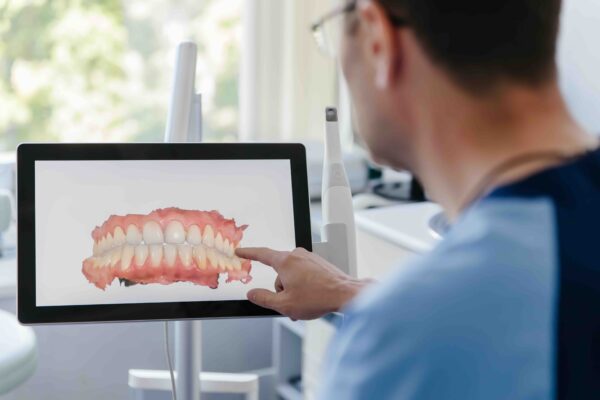

Gum disease rarely follows a neat script. Two people can keep similar oral hygiene routines, see the dentist with roughly the same frequency, and still end up with very different periodontal outcomes. One develops mild gingivitis that clears quickly after a professional cleaning and better brushing. The other moves into deeper inflammation, attachment loss, and bone changes that require far more involved Gum Disease Treatment. That difference often frustrates patients because it feels unfair, and in a sense, it is. Biology does not distribute risk evenly.
Genetics is one of the reasons.
That does not mean gum disease is predetermined, or that inherited risk overrides brushing, flossing, smoking status, diabetes control, or regular maintenance visits. It does mean the body’s inflammatory response, tissue structure, immune signaling, and healing patterns can vary from person to person in ways that matter clinically. In day-to-day practice, those differences show up in how aggressively disease progresses, how much plaque seems to trigger inflammation, how quickly tissues rebound after treatment, and how often supportive care is needed to hold gains over time.
Understanding the genetic piece helps patients make sense of why their treatment recommendations may look different from a spouse’s, sibling’s, or friend’s. It also helps set realistic expectations. For some people, standard preventive care is enough. For others, the same visible buildup leads to a stronger inflammatory reaction, deeper pockets, or repeated flare-ups, even when they are trying hard at home.
Gum disease is not just about bacteria
Plaque bacteria initiate the process, but the damage people associate with periodontal disease is not caused by bacteria alone. Much of it comes from the body’s response to those bacteria. When the immune system detects microbial biofilm at the gumline, it releases inflammatory mediators to contain the threat. That reaction is useful and necessary, but when it becomes exaggerated or persistent, it can damage connective tissue and bone around the teeth.
This matters because two patients can carry similar bacterial loads and respond very differently. One may show mild swelling and little bleeding. Another may develop generalized bleeding, rapid pocket formation, and early recession. Genetics helps explain part of that gap by influencing inflammatory intensity, collagen metabolism, tissue resilience, and host defense pathways.
Periodontists and general dentists have recognized this pattern for years, even before genetic testing became a consumer term. You see the patient who presents with surprisingly advanced disease at a relatively young age and very little calculus. You also see the patient with substantial buildup but relatively limited tissue destruction. Neither situation is simple, and no single gene dictates the outcome. Still, inherited tendencies can shape the terrain on which gum disease develops.
Where heredity seems to matter most
Researchers have looked at a wide range of genetic variations associated with periodontal disease. The science is still evolving, and not every proposed link has held up consistently across populations. That said, several broad biological themes are well supported.
One is inflammatory signaling. Certain gene variants appear to influence how strongly the body produces inflammatory molecules in response to bacterial challenge. If a person’s immune response is more reactive, the collateral https://trevorqhce791.fotosdefrases.com/how-mouthwash-fits-into-a-gum-disease-treatment-routine damage to gum tissue and supporting bone may be greater.
Another is immune regulation. The ability to recruit immune cells, recognize pathogens, and clear infection can vary. A sluggish response may allow disease to persist, while an overactive response may destroy tissue in the process of fighting infection.
Connective tissue quality also matters. The gums, periodontal ligament, and supporting structures depend on collagen integrity and balanced tissue turnover. Genetic factors that affect these systems may influence how firmly the tissues resist breakdown and how well they recover after treatment.
Healing is another area where inherited biology may shape treatment needs. Anyone who treats periodontal disease long enough notices that some patients heal beautifully after scaling and root planing, while others improve more slowly or plateau early despite good compliance. Genetics is unlikely to be the whole story, but it is often part of it.
Why one family may share the same pattern
Family history often provides practical clues long before formal testing enters the conversation. If a patient says that both parents lost teeth early, several siblings have deep cleanings every few months, or a younger brother needed periodontal surgery in his thirties, that raises the level of attention. It does not prove a genetic cause, because families also share diets, oral hygiene habits, access to care, and smoking exposure. Still, a strong family pattern should never be dismissed.
I have seen this play out in families where adult children were meticulous with home care yet developed pocketing much earlier than expected. In those cases, the disease often behaved in a way that suggested heightened susceptibility rather than neglect. The treatment plan usually needed to be more proactive from the beginning, with tighter recall intervals, earlier imaging, and a lower threshold for periodontal referral.
That family context can also be useful for younger patients who still have minimal signs of disease. If a 24-year-old has healthy-looking gums but a pronounced family history of periodontal breakdown, the right move is not alarmism. It is vigilance. Baseline periodontal charting, consistent professional monitoring, and coaching on inflammation control can make a meaningful difference before damage accumulates.
Genetics does not act alone
The most important point for patients is that inherited risk is rarely destiny. Periodontal disease is a classic example of gene-environment interaction. A susceptible genetic profile may increase the odds of more severe disease, but the actual course still depends heavily on modifiable factors.
Smoking remains one of the strongest accelerants. Poorly controlled diabetes significantly worsens periodontal inflammation and healing. Chronic stress, certain medications, dry mouth, bruxism, and inconsistent plaque control can all tip the balance in the wrong direction. On the other hand, regular maintenance, effective brushing and interdental cleaning, tobacco cessation, and stable blood sugar often blunt the impact of inherited vulnerability.
This is why treatment recommendations can feel so individualized. The patient with high genetic susceptibility who does not smoke, keeps A1C levels in range, and follows maintenance closely may do better than the lower-risk patient who skips recall visits and lives with ongoing plaque accumulation. Genetics sets the baseline sensitivity. Daily habits and medical status shape what happens next.
What inherited risk can look like in the chair
Patients often expect genetic risk to mean dramatic, obvious disease. More often, it shows up as a mismatch between cause and effect. The amount of inflammation appears greater than the visible deposits would suggest. Pocket depths recur quickly after treatment. Bleeding persists in certain areas despite cleaner home care than average. Bone loss seems more advanced for the patient’s age.
Sometimes the pattern is more subtle. A patient may have repeated isolated sites that resist stabilization. Another may improve after non-surgical therapy but need maintenance every three months rather than every six to keep things quiet. Another may heal acceptably, but gingival recession progresses more readily once inflammation has occurred. None of these findings alone proves a genetic component, but together they can support the clinical impression that the patient’s tissues are especially vulnerable.
This is one reason experienced clinicians do not rely on a single metric. Probing depths matter, but so do bleeding scores, recession, mobility, radiographic bone levels, plaque patterns, medical history, family history, and treatment response over time. Genetics influences risk in a layered way, so the evaluation has to be layered too.
How genetics can change Gum Disease Treatment recommendations
A patient with higher inherited susceptibility does not necessarily need exotic care. More often, the treatment changes are practical and cumulative. The threshold for intervention may be lower, the monitoring more frequent, and the long-term maintenance stricter.
For example, a patient with early inflammation and a strong family history may receive periodontal charting sooner than a similar patient without that background. A clinician may recommend scaling and root planing before the disease becomes more entrenched, not because the situation is alarming, but because waiting is more likely to allow avoidable destruction. After active treatment, maintenance every three to four months may be advised instead of a twice-yearly cleaning schedule.
Adjunctive therapies may also be considered differently. Local antimicrobial agents, more detailed home-care instruction, occlusal assessment, or referral to a periodontist may enter the plan earlier. In severe or recurrent cases, surgical therapy may be recommended not because genetics makes surgery inevitable, but because the disease pattern suggests that non-surgical care alone may not produce stable enough access for long-term control.
This is where nuance matters. A genetically susceptible patient should not automatically be overtreated, and a clinician should not use heredity as a vague catch-all explanation for every difficult case. The better approach is to integrate risk into decision-making with evidence from the mouth in front of you.
The role, and limits, of genetic testing
Commercial and professional genetic tests for periodontal risk have attracted interest for years. The appeal is obvious. If a test could identify who is likely to develop severe gum disease, prevention could become more targeted. In reality, the usefulness of these tests has been mixed.
Periodontal disease is not driven by one gene. It is polygenic and influenced by many environmental and behavioral factors. A test that looks at a few inflammatory markers may provide a small piece of the picture, but it cannot reliably predict exactly who will progress, how fast, or what treatment they will need. For that reason, many clinicians do not base major treatment decisions on genetic testing alone.
That said, testing may still have value in selected cases. It can add context when family history is strong, disease appears disproportionate to local factors, or a patient wants more personalized risk information. Even then, the results are best used as one data point among many, not as a verdict.
A careful clinical exam remains more useful than most patients realize. Pocket charting, radiographs, bleeding patterns, attachment levels, plaque control, smoking status, and medical history usually tell a far more actionable story than a single lab result.
Why some patients need maintenance more often
One of the clearest treatment implications of inherited susceptibility is recall frequency. Patients often ask why they need periodontal maintenance every three or four months when someone else gets by with routine cleanings twice a year. The answer is not that their dentist is being overly cautious. It is that bacterial biofilm re-forms quickly, and in a susceptible host, the inflammatory cascade can restart before six months have passed.
The goal of shorter intervals is to disrupt that cycle before tissue destruction resumes. This is especially important after active Gum Disease Treatment, when pockets may be reduced but not eliminated, and when long-term stability depends on suppressing recurrent inflammation. If a patient’s biology tends to react strongly, longer gaps often work against them.
This is also where patient motivation can drift if the rationale is not explained well. People are more likely to stick with maintenance when they understand that the recommendation is not generic. It reflects the way their tissues have behaved over time.
Practical signs that warrant closer evaluation
When a patient wonders whether genetics may be influencing their periodontal health, a few patterns are worth discussing with a dentist or periodontist:
- Gum disease appears at a younger age than expected.
- Several close relatives have had significant tooth loss or periodontal treatment.
- Inflammation or bone loss seems severe relative to the amount of plaque or tartar present.
- Pockets or bleeding return soon after treatment despite reasonable home care.
- Healing feels slower or less complete than the clinical picture would predict.
None of these signs confirms a hereditary cause, but together they justify a more detailed periodontal assessment.
Treatment outcomes can still be very good
Patients sometimes hear the word genetics and assume the outlook is bleak. That is not what the evidence or clinical experience shows. Many people with a strong family history keep their teeth for life. The difference is usually that their care has to be more intentional. They benefit from early identification, consistent monitoring, and a treatment plan that respects their risk profile rather than treating them as average.
I have seen patients stabilize beautifully once the frequency and type of care matched their biology. A common story is the person who bounced between routine cleanings for years, always hearing that their gums were “a little inflamed,” until a full periodontal workup clarified the pattern. Once they received proper debridement, targeted home-care coaching, and maintenance at shorter intervals, bleeding dropped, pocket depths improved, and things became manageable. The disease had not been untreatable. It had been undertreated for the risk level.
That distinction matters. Genetic susceptibility should prompt precision, not pessimism.
Home care matters even more when risk is higher
For patients with inherited vulnerability, home care is not optional background noise. It is the daily lever that reduces inflammatory burden between professional visits. The basics remain the same, but consistency becomes more important because the margin for error is smaller.
Effective brushing along the gumline twice a day, interdental cleaning that actually fits the spaces involved, and management of contributing issues like dry mouth or clenching can materially change outcomes. Patients with recession or root exposure often need customized tools and technique, not just generic instructions to floss more. If dexterity is limited, powered brushes and interdental brushes may outperform traditional approaches.
The other practical issue is honesty about what is sustainable. A perfect routine that lasts ten days is less valuable than a realistic routine maintained for years. Good periodontal care is usually built on repeatable habits, not bursts of motivation.
A sensible framework for higher-risk patients
When genetics appears to be part of the picture, the most effective plans usually share a few traits:
- Early baseline measurements, including probing depths and radiographs when appropriate.
- Prompt treatment of active inflammation rather than watchful delay.
- Maintenance intervals tailored to disease behavior, often every three to four months.
- Close attention to systemic factors such as diabetes and tobacco use.
- Clear home-care coaching matched to the patient’s anatomy and abilities.
None of that is dramatic. It is disciplined, and discipline is what preserves periodontal stability.
Why individualized care beats generic advice
The deeper lesson in all of this is that gum disease is not a morality play about who brushed well and who did not. It is a chronic inflammatory condition shaped by bacteria, behavior, systemic health, and inherited biology. When treatment ignores that complexity, patients either feel blamed for disease they were predisposed to, or falsely reassured because their symptoms seem mild in the moment.
Better care starts with acknowledging variation. Some mouths tolerate more challenge before breaking down. Others need tighter control from the outset. Genetics helps explain those differences, but it does not excuse passivity. If anything, it makes precision more important.
For patients, the practical takeaway is simple. If gum disease runs in your family, if your periodontal problems have seemed out of proportion to your habits, or if previous treatment has not held as well as expected, bring that history to your next dental visit. Ask for a periodontal evaluation, not just a cleaning. Ask how often your tissues should be monitored based on your own pattern, not a standard schedule. Those questions often lead to better timing, better treatment choices, and better long-term odds of keeping the teeth you have.
Inherited risk may shape the need for Gum Disease Treatment, but it does not write the ending. Early recognition, thoughtful planning, and steady maintenance still carry enormous weight.
Dental Group Of Beverly Hills
Address: 8641 Wilshire Blvd #125, Beverly Hills, CA 90211
Phone number: +13109296335
FAQ About Gum Disease Treatment
How to improve gum health quickly?
To improve gum health quickly, eliminate plaque buildup by brushing for two full minutes twice a day at a 45-degree angle to the gumline. Floss daily to clean under the gumline, and rinse with an antimicrobial, alcohol-free mouthwash. For immediate relief of soreness, use a warm saltwater rinse.
What is the fastest way to cure gum disease?
To quickly cure early-stage gum disease (gingivitis), eliminate the plaque buildup causing the inflammation. Brush gently but thoroughly for two minutes twice daily, floss daily, and use an antibacterial mouthwash or a warm saltwater rinse. However, if tartar has hardened, professional treatment is necessary.
How do I treat my gum disease at home?
You can treat early gum disease at home by practicing strict daily oral hygiene, rinsing with salt water or antibacterial mouthwash, and quitting smoking. True gum disease (especially advanced forms like periodontitis) cannot be fully cured at home once tartar forms, and you must see a dentist for professional cleanings.