Gum Disease Treatment Timeline: From Diagnosis to Healing

Gum disease rarely announces itself with drama. More often, it creeps in through small changes that patients explain away for months, sometimes years. A little bleeding while brushing. Breath that never seems fully fresh. Tenderness in one corner of the mouth. Then, at some point, the gums start to recede, teeth feel different when chewing, or a routine cleaning turns into a much longer conversation.
That is usually when people ask the same question: how long is this going to take?
The honest answer is that Gum Disease Treatment follows a timeline, but not a single universal one. A mild case of gingivitis may improve noticeably within a couple of weeks once plaque is removed and home care sharpens up. Moderate to advanced periodontitis can take months of staged care, with healing happening in layers rather than all at once. The diagnosis, the condition of the bone, smoking status, diabetes control, stress levels, bite forces, and consistency with brushing and interdental cleaning all shape the pace.
Understanding the timeline helps for a simple reason. Patients do better when they know what happens next. Treatment feels less overwhelming when it is broken into phases, each with a clear purpose.
What the diagnosis stage really involves
Most people think a gum disease diagnosis happens the moment a dentist says, “You have periodontal disease.” In reality, diagnosis is more deliberate than that. It starts with visual clues, but it is confirmed through measurements, imaging, and clinical judgment.
At a periodontal evaluation, the gum tissue is assessed for redness, swelling, bleeding, recession, and visible plaque or calculus buildup. Pocket depths are measured with a periodontal probe. Healthy gums usually form a shallow cuff around each tooth. When inflammation and attachment loss develop, those spaces deepen. Bleeding on probing matters too. It is one of the clearest signs that the tissue is inflamed.
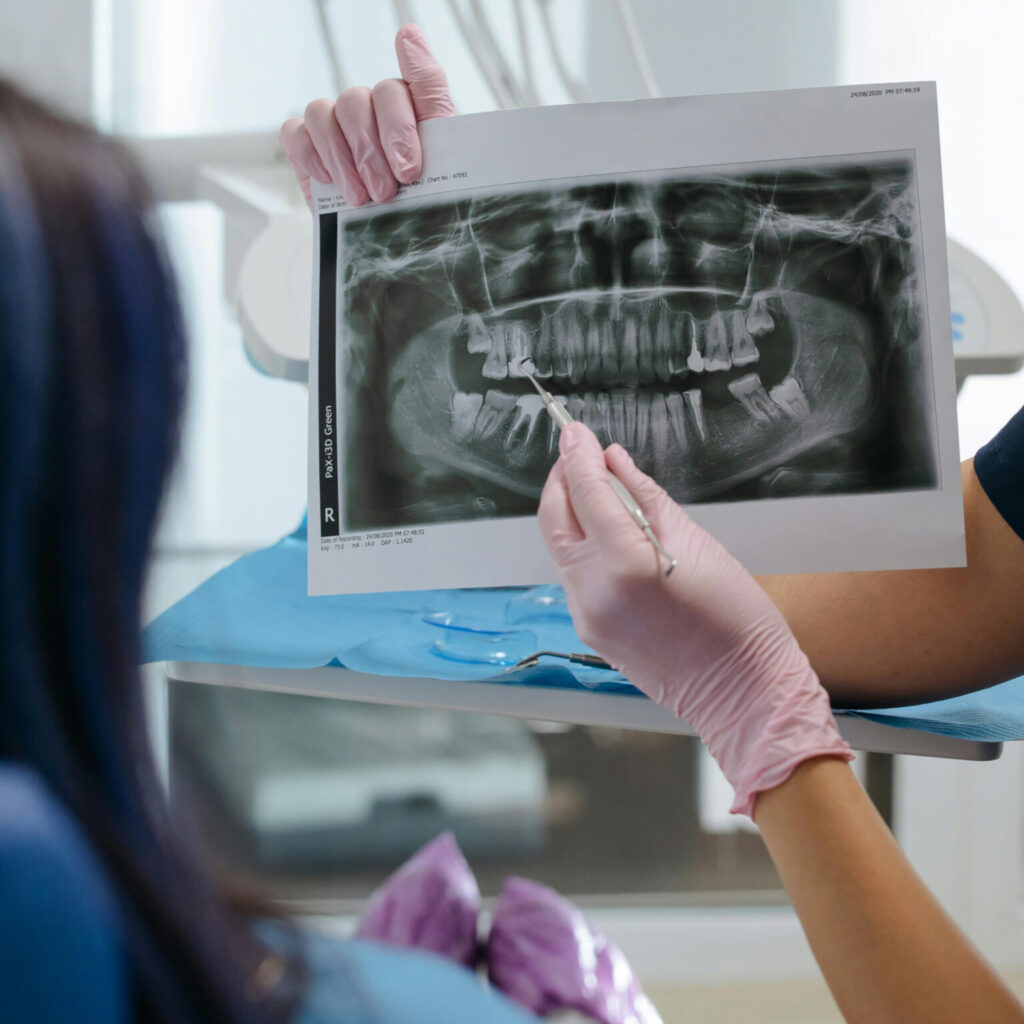
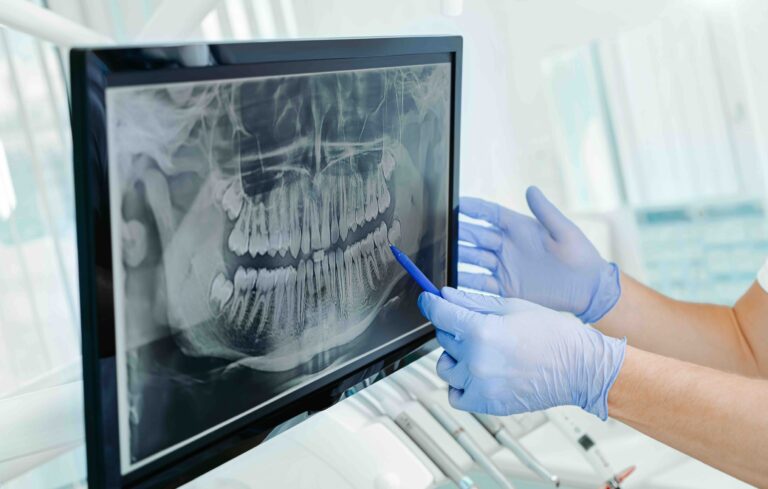
Dental X-rays help complete the picture by showing bone levels around the teeth. Two patients can have similar-looking gums and very different underlying disease. One may have reversible gingivitis. Another may already have bone loss that changes the prognosis of certain teeth.
This stage can happen during a routine checkup, but in many practices it is a dedicated periodontal charting appointment or a more comprehensive exam. That distinction matters because timing affects expectations. If a patient comes in for a regular cleaning and the clinician finds significant inflammation, heavy tartar below the gumline, or suspicious pocketing, the cleaning may be postponed or modified. It is hard to treat what has not yet been properly measured.
For the patient, this first stage usually takes one visit, occasionally two. Emotionally, though, it often feels longer. People are processing new information, and many carry some guilt into the room. Experienced clinicians know that blame is not useful. Gum disease is influenced by hygiene, yes, but also by genetics, immune response, existing restorations, grinding, dry mouth, medications, and medical conditions. The better frame is this: now that we know what is happening, we can map out the next steps.
The first few days after diagnosis
Once the diagnosis is made, treatment planning begins. If the disease is limited to gingivitis, the approach is usually conservative. If there is periodontitis, especially with deeper pockets and bone loss, treatment becomes more structured.
The first question is whether the patient needs a standard professional cleaning or scaling and root planing, which is often called a deep cleaning. Those are not interchangeable. A routine cleaning removes plaque and tartar above the gumline and, to a limited extent, just below it in healthy or mildly inflamed tissues. Scaling and root planing is designed to treat disease below the gumline, where bacterial deposits and calculus have attached to root surfaces inside deeper pockets.
That distinction affects the timeline right away. A routine cleaning may be completed in one appointment. Deep cleaning is commonly done over one or two visits, sometimes more if the mouth is complex, the deposits are heavy, or the patient prefers shorter sessions.
Patients often want to know whether treatment starts immediately. Sometimes it does. Sometimes it is delayed briefly to coordinate insurance, obtain more imaging, improve blood sugar control, or manage acute pain. If there is severe swelling or an abscess, urgent treatment may come first, with definitive periodontal care following after the acute issue settles.
Week 1 to week 3: the active cleaning phase
This is the stage most patients think of when they hear Gum Disease Treatment. For gingivitis, this may be a professional cleaning paired with intensive home care instruction. For periodontitis, it is usually scaling and root planing.
During scaling and root planing, the clinician removes plaque, hardened calculus, and bacterial toxins from below the gumline. Root surfaces are debrided so that inflamed tissue has a cleaner environment in which to heal. Local anesthetic is often used, especially for deeper pockets or multiple quadrants. Some offices treat one side of the mouth at a time. Others divide care into upper and lower sections. There is no single right format. The best one is the format that allows thorough treatment and a patient who can comfortably tolerate it.
Healing begins quickly, but improvement is not always dramatic on day one. Gums may feel sore for a few days. Cold sensitivity can increase because tartar that once covered parts of the root has been removed and inflamed tissue begins to shrink. Mild spotting or tenderness is common. This is one of the moments when patients need clear expectations. A cleaner root surface is healthier, but the mouth can feel strange while it adjusts.
If oral hygiene has been inconsistent, the clinician will usually reset the routine here. Better brushing technique, a soft toothbrush, interdental brushes or floss, and in some cases an antimicrobial rinse become part of the treatment, not an optional add-on. It is remarkable how much the timeline can shorten when home care improves immediately after professional therapy.
A patient with early gingivitis may already notice less bleeding within a week. A patient with deeper periodontal pockets often notices fresher breath and less tenderness first, while measurable tissue improvement unfolds over several weeks.
Why the first month matters so much
The first month after active treatment is where trajectories separate. Some mouths respond beautifully. Others reveal that the disease is more stubborn than the initial picture suggested.
Biologically, the gums are trying to calm down and reattach as much as possible to the tooth surface. Swelling decreases. Bleeding should lessen. Pockets may reduce somewhat as inflammation resolves. It is important to understand what this means and what it does not mean. Reduced pocket depth after treatment can reflect healthier, tighter tissue. It does not necessarily mean lost bone has grown back. In most routine cases, the primary goal is disease control and stability, not dramatic regeneration.
This is also the period when patients either lock into their new habits or drift back to old ones. In practice, you can almost predict the six-week re-evaluation by asking a few simple questions. Are they brushing twice daily without rushing? Are they cleaning between the teeth most days? Did they smoke less, quit, or continue at the same rate? Did they stop using the prescription rinse after three nights because they felt better? The tissue often tells the truth before the patient does.
The re-evaluation appointment, often around 4 to 8 weeks
Periodontal therapy is incomplete without re-evaluation. This visit is where the timeline becomes more personalized.
By this point, the clinician checks how the gums responded to treatment. Pocket depths are measured again, bleeding is reassessed, and areas that remain inflamed are identified. Sometimes the results are gratifyingly simple. Moderate bleeding is gone, shallow to medium pockets have tightened, and no further invasive care is needed beyond maintenance.
Sometimes, however, several sites remain deep, especially around molars, under old restorations, or in hard-to-clean areas where bone defects are present. That does not mean treatment failed. It means the disease is more established or the anatomy is working against easy healing. Furcations, root grooves, crowded teeth, and overhanging fillings are classic problem spots.
At this stage, the next recommendation usually falls into one of a few categories:
- Periodontal maintenance and monitoring if the tissues responded well.
- Localized retreatment for stubborn pockets.
- Referral to a periodontist for surgical evaluation.
- Adjunctive care such as bite adjustment, improved restorations, or management of dry mouth.
- Extraction planning for teeth with poor prognosis, if disease has caused severe support loss.
Many patients are surprised that surgery is not always the immediate answer for deep pockets. Conservative therapy often improves the tissue enough that surgery becomes unnecessary, or at least more limited. A careful re-evaluation prevents overtreatment and undertreatment at the same time.
When surgery enters the timeline
Not every case progresses to periodontal surgery, but when it does, the timeline lengthens in a reasonable and often worthwhile way.
Surgical treatment is considered when non-surgical therapy has controlled part of the disease but https://telegra.ph/How-Stress-Can-Affect-Your-Need-for-Gum-Disease-Treatment-09-01 left behind pockets or defects that are difficult to maintain. Common procedures include flap surgery to improve access for cleaning and reduce pocket depth, bone grafting in selected defects, guided tissue regeneration in some cases, and soft tissue grafting when recession or root exposure becomes a separate problem.
The decision depends on goals. If a lower front tooth has severe recession but minimal active inflammation, the conversation is different from one about a back molar with deep bleeding pockets and progressive bone loss. Timing also depends on whether the patient can maintain the area after surgery. There is little value in a technically successful procedure if plaque control remains poor afterward.
From a patient standpoint, surgery usually means an additional consultation, then the procedure itself, then several weeks of healing. Initial tissue recovery often takes about one to two weeks. Deeper maturation continues for a month or more. Bone grafting sites can require longer observation, sometimes several months, before the full result is assessed. That sounds like a long time, but periodontal healing is not a race. Stable healing is more important than fast healing.
What healing feels like versus what healing looks like
This is one of the most misunderstood parts of Gum Disease Treatment. Symptoms and biology do not move in perfect sync.
A patient may feel much better within days. Bleeding drops, soreness settles, and the mouth feels cleaner. Yet the gums are still remodeling microscopically. On the other hand, a patient may feel worried because the teeth seem longer or slightly more sensitive after treatment, when in fact the tissues are healing exactly as expected. Inflamed gums shrink as they recover. When swelling goes down, recession or root exposure can become more visible. That is not the disease worsening. It is the inflammation no longer disguising the true contours.
The same is true for mobility. Teeth that were loose from inflammation may tighten somewhat as healing progresses. Teeth that were loose because of major bone loss may improve only partially. Managing expectations here is important. Periodontal treatment can control infection and preserve structure, but it cannot always restore the mouth to the condition it was in ten years earlier.
The home care window that changes the outcome
No phase of treatment is more underestimated than the weeks after professional therapy. The office removes what the patient cannot remove alone. The patient then protects that result every day.
The routine does not need to be elaborate, but it does need to be consistent.
- Brush thoroughly twice a day with a soft-bristled brush.
- Clean between the teeth daily with floss, picks, or interdental brushes suited to the spaces.
- Use any prescribed rinse or products exactly as directed, especially in the first couple of weeks.
- Avoid tobacco if possible, because smoking slows healing and masks bleeding.
- Return for follow-up on schedule, even if the gums already feel better.
That last point is the one people skip most often. Feeling better is not the same as being stable. I have seen patients with almost no pain and very active periodontal breakdown. Gum disease is not a reliable producer of early discomfort, which is one reason it progresses unnoticed.
A realistic timeline for different severities
Mild gingivitis usually improves fastest. After a professional cleaning and stronger home care, noticeable changes often occur within one to two weeks. Bleeding decreases, puffiness settles, and the tissue regains a firmer appearance. Full stabilization may still take several more weeks, especially if plaque control was poor at baseline.
Early to moderate periodontitis usually unfolds over a longer span. Diagnosis, deep cleaning, and re-evaluation can easily stretch across one to two months. If the response is good, the patient then transitions into maintenance, commonly every three to four months at first. The disease may be controlled in this period, but “controlled” is not the same as “cured forever.” Periodontal disease is managed over time.
Advanced periodontitis often requires the most patience. The first active phase may still be completed within a few weeks, but the real timeline includes re-evaluation, possible referral, surgical decisions, healing periods, and long-term maintenance. It is not unusual for the active part of care to span several months before the case reaches a stable maintenance rhythm.
Maintenance is part of treatment, not the epilogue
One of the biggest mistakes in public understanding is treating maintenance as optional cleanup after the “real” work is done. Periodontal maintenance is the real work continued.
Patients with a history of periodontitis often need professional maintenance every three or four months, at least initially. The reason is practical. Harmful bacterial biofilms repopulate over time, and pockets that have previously been diseased are more vulnerable than untouched healthy tissue. Regular maintenance disrupts that cycle before it rebuilds.
During these visits, the hygienist or periodontist is not simply polishing teeth. They are reassessing the tissue, cleaning below the gumline where needed, checking for bleeding and recurrent pocketing, reviewing technique, and catching changes before they become expensive or irreversible.
For some people, the maintenance interval can later be extended. For others, especially smokers, patients with diabetes, or those with complex restorative work, the shorter interval remains the safer choice. This is where individualized care matters more than generic advice.
Factors that can slow healing
Two patients can receive the same treatment and heal on very different schedules. That is not unusual. It is medicine.
Smoking is one of the biggest disruptors. Smokers often bleed less visibly, which can make disease look deceptively quiet, but their tissues heal more slowly and respond less predictably. Diabetes is another major factor, especially when blood sugar is poorly controlled. Stress, certain medications, dry mouth, immune conditions, and night grinding can all complicate recovery.
Even anatomy matters. Deep pockets around molars, especially in furcation areas where roots split, are simply harder to clean and harder to stabilize than broad, accessible surfaces. Restorations that trap plaque or crowns with rough margins can keep the gums inflamed until the dental work itself is corrected.
There is also the human factor. Patients are busy. Travel happens. Habits slip. A missed re-evaluation can turn a manageable six-week course into six more months of uncertainty. The timeline is not just biological. It is behavioral.
What patients often worry about, and what usually matters more
People commonly focus on whether deep cleaning will hurt, whether surgery will be needed, or whether the gums will “grow back.” Those questions are understandable, but in day-to-day outcomes, a few other issues tend to matter more.
First, did the diagnosis happen early enough to preserve strong long-term support? Second, was the initial therapy thorough? Third, did the patient adopt a realistic cleaning routine they can sustain on a busy Tuesday night, not just for the first heroic week after treatment? And fourth, was the maintenance schedule respected?
I have seen patients with advanced findings keep teeth stable for years because they became meticulous and consistent. I have also seen mild disease progress because treatment was treated like a one-time fix. Periodontal health is less about a dramatic intervention and more about steady control.
The point where healing becomes stability
At some stage, every successful gum disease case shifts from active treatment to maintenance and monitoring. That shift does not mean the gums are forgotten. It means the infection has been reduced to a level the body can live with, the tissues are relatively quiet, and the patient has the tools to keep them that way.
That stable stage is the real goal. Not perfection, necessarily. Stability.
For one patient, that may arrive within a month after a straightforward gingivitis diagnosis. For another, it may take multiple appointments, a periodontal referral, and a season of follow-up before the tissues settle. Either way, the path from diagnosis to healing is usually more gradual than dramatic. There are checkpoints, adjustments, and sometimes detours.
What matters is that improvement can be measured. Less bleeding. Shallower pockets. Cleaner root surfaces. Better breath. Stronger daily habits. Fewer inflamed sites at each visit. Those are not small wins. In periodontal care, they are the signs that the mouth is moving in the right direction, and that the treatment timeline is doing exactly what it is meant to do.
Dental Group Of Beverly Hills
Address: 8641 Wilshire Blvd #125, Beverly Hills, CA 90211
Phone number: +13109296335
FAQ About Gum Disease Treatment
How to improve gum health quickly?
To improve gum health quickly, eliminate plaque buildup by brushing for two full minutes twice a day at a 45-degree angle to the gumline. Floss daily to clean under the gumline, and rinse with an antimicrobial, alcohol-free mouthwash. For immediate relief of soreness, use a warm saltwater rinse.
What is the fastest way to cure gum disease?
To quickly cure early-stage gum disease (gingivitis), eliminate the plaque buildup causing the inflammation. Brush gently but thoroughly for two minutes twice daily, floss daily, and use an antibacterial mouthwash or a warm saltwater rinse. However, if tartar has hardened, professional treatment is necessary.
How do I treat my gum disease at home?
You can treat early gum disease at home by practicing strict daily oral hygiene, rinsing with salt water or antibacterial mouthwash, and quitting smoking. True gum disease (especially advanced forms like periodontitis) cannot be fully cured at home once tartar forms, and you must see a dentist for professional cleanings.